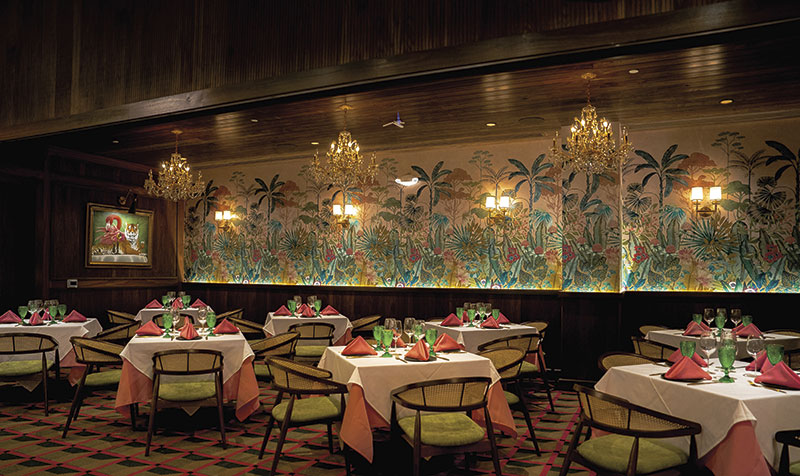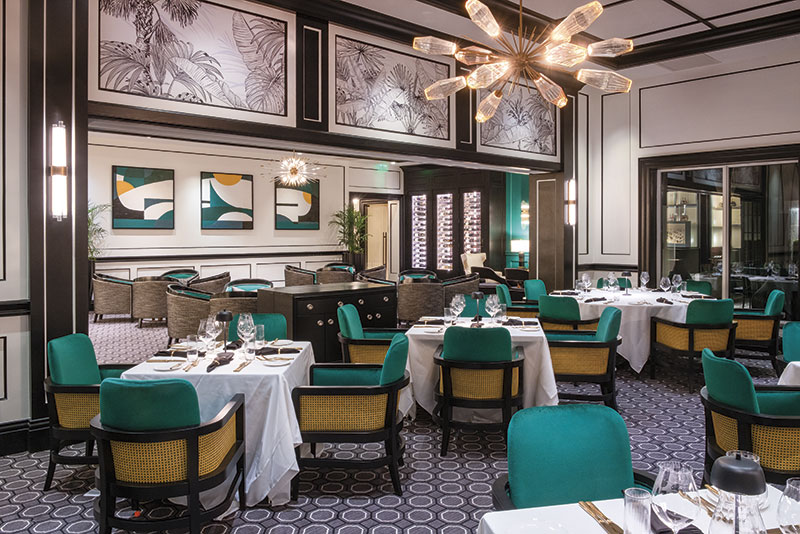
In South Florida, restaurants arrive with confidence and disappear without apology. New openings promise atmosphere, buzz and something no one has seen before, only to be replaced six months later by another concept. In that cycle, longevity is not accidental. It is designed. And few designers understand that better than Pam Manhas.
As founder and principal of Manhas Design, Manhas has earned a reputation for spaces that feel grounded, intentional and remarkably resistant to aging. Her portfolio spans restaurants, hospitality venues, private clubs and luxury residential projects, yet there is no visual formula tying them together. That is deliberate. “Just because a concept works in NY doesn’t mean it will be successful here with our locals,” she says, a line that quietly sums up her entire philosophy.

For Manhas, every project begins the same way, not with finishes or fixtures, but with food. “When starting a project, we typically begin with the menu,” she explains. “The menu leads the concept and informs the design.” Cuisine opens the door to cultural references, historical context and emotional cues, all of which influence how a space should feel before a guest even sits down. From there, the physical shell takes over, its scale, light and limitations shaping the conversation further. Add local demographics into the mix and the goal becomes clear. “Designing an inviting, appealing environment with great energy is the goal,” Manhas says, and nothing in her work suggests she takes that lightly.
That focus on energy does not mean every room is loud. Drama exists in all her projects, but it shows up in different ways. Sometimes it is theatrical, sometimes barely perceptible. “We like to create some drama in all of our projects,” she says. “It can be as subtle as using the right lighting so the food ‘pops’ when it hits the table, making the food the star of the show.” In other cases, visual interest arrives through artwork, texture or the simple pleasure of watching a dining room come to life. In restaurants with open expo kitchens, the effect is more literal. “For our projects with open expo kitchens, the restaurant is the theater and the cookline is center stage,” she notes.

That balance between excitement and restraint has helped Manhas Design maintain consistency across a wide range of projects, earning Best of Fort Lauderdale honors in 2023, 2024 and 2025. The recognition reflects more than talent. It reflects process. Manhas credits strong creative partnerships with seasoned operators who understand how competitive the South Florida restaurant scene can be. “The more successful restaurateurs want to stay ahead of the curve and establish strong concept identities,” she says. Her team approaches design with the same mindset.
Projects often stretch over years, not months, and that timeline requires flexibility. “Some projects take years to develop, and new design products are introduced,” Manhas explains. “We constantly revisit our selections right up to the time of procurement.” Staying current without chasing trends means trade shows, research and a constant awareness of what is coming next, balanced by an understanding of what will still feel right long after opening night.

Design decisions also shape how guests behave, whether they realize it or not. Comfort tops that list. “No one is going to linger if they are sitting in an uncomfortable chair,” Manhas says plainly. In some fast-casual concepts, she notes, clients intentionally request less comfortable seating to increase turnover. In destination dining rooms, the opposite is true. Acoustics play an equally powerful role. “Great acoustics often lead to longer dining times since people can have a nice conversation without being drowned with high volume noise,” she says, a detail many overlook but few forget once experienced.
Material choices further reinforce that sense of ease. Manhas gravitates toward natural elements for their authenticity and staying power. “Natural materials will always be a favorite for us,” she says. “They add to the authenticity of the space and to the concept.” Texture and finish elevate those materials beyond aesthetics alone. “Textures and finishes add to the depth of the designs,” she explains. “They often add a warmth to the space and sometimes give the space a history.” Her aim is not to recreate the past, but to evoke familiarity. “Guests get a sense of déjà vu that triggers a nostalgic memory from these elements and they are immediately engaged in the ambiance.”
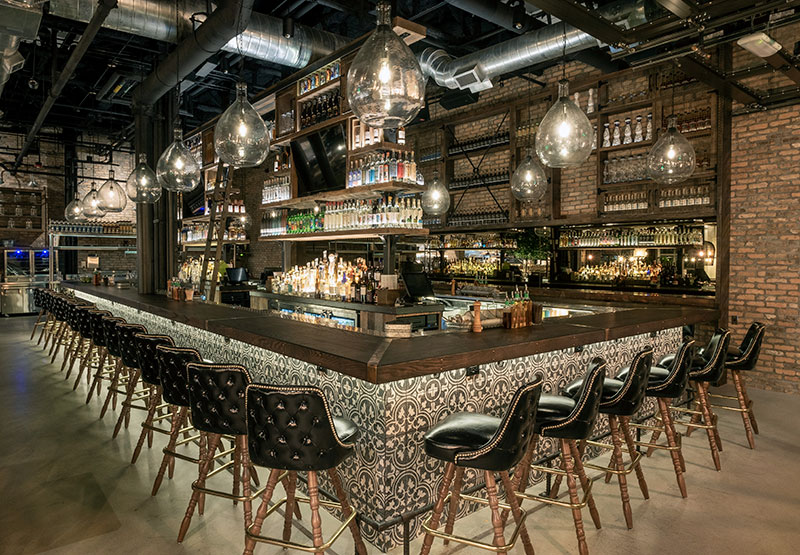
The smallest details often make the strongest impression. For Manhas, that impact happens where guests physically interact with the space. “The small details that make the biggest visual impact are at the tactile level for restaurant guests,” she says, pointing to tablescapes, glassware, flatware, linens and tabletop textures. “We are setting the stage for the meal.” Those elements quietly communicate quality before a single bite is taken, reinforcing the experience the room promises.
Lighting, however, is where Manhas’ enthusiasm is unmistakable. “Lighting is our obsession,” she says without hesitation. Custom fixtures have become hallmarks of individual projects rather than the firm itself, from chandeliers made of 150 cheese graters for a grilled cheese concept to installations of more than 300 champagne flutes suspended above a champagne bar. “We have an amazing network of talented artisans all over the globe,” she adds. Beyond statement pieces, lighting quality and control define how a space transitions from day to night. “Lighting is a key component to transforming our spaces from daytime dining experiences through the sunset ambiance of happy hours to the more intimate evening settings,” she says, noting the challenges and evolution required as LED technology has replaced traditional sources.
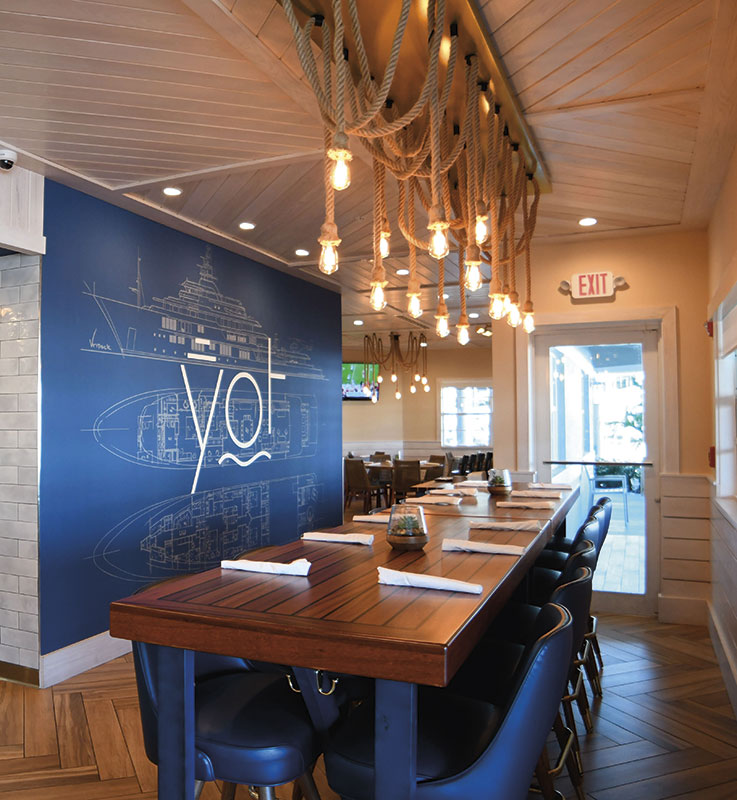
While restaurants remain at the heart of the firm’s identity, Manhas Design now works extensively with private clubs, many at the Platinum level, where dining is just one part of a broader lifestyle experience. “It is an exciting time for private clubs as they evolve into expanded wellness, fitness, racquet sports and destination-style dining venues,” Manhas says. The firm has also expanded into luxury condominium projects in Fort Lauderdale and Pompano Beach, bringing its hospitality sensibility into residential environments.
Trends, meanwhile, are approached with caution. “We try to avoid trendy lighting and limit our use of too many upholstery patterns,” Manhas says, noting how quickly design elements can feel dated once they become widely available. For her, longevity comes from fundamentals. “We strive for timeless designs,” she explains. “The use of classic lines, comfortable furniture, authentic materials and beautiful lighting is a great place to start.”

Manhas is quick to acknowledge that design alone cannot guarantee success. “A beautiful design may entice guests to visit the first time, but if the food and service are not up to par, you may not get a second chance,” she says. In a market as competitive as South Florida, first impressions must be strong across the board.
That understanding, combined with discipline and intuition, has allowed Manhas to build spaces that outlast trends and opening buzz alike. Identity by design is not about standing out for attention’s sake. It is about creating environments that feel right, endure heavy use and remain relevant long after the novelty fades.