

The Question Everyone Suddenly Has
Not long ago, regenerative medicine was something only athletes whispered about; a treatment reserved for people with professional trainers and million-dollar contracts. Now, Fort Lauderdale locals are asking about it over coffee, during school pickup, at Pilates, even in line at Publix.
Suddenly, PRP, BMAC and stem cell therapy have become part of everyday conversations, but almost no one actually understands how these options work inside the body.
Four Fort Lauderdale physicians, Dr. Tara Gaston Moncman, Dr. Robert Mills, Dr. Tom Macek and Dr. Neel Amin, broke down the science, the realities and the limitations. Together, they paint a clear picture of a field with real potential and very real boundaries.
So… What Are These Treatments, Really?
The language around regenerative medicine can be confusing, partly because the internet labels every injection as a “stem cell treatment.” That’s not accurate.
At its core, regenerative medicine uses components of your own blood or bone marrow to stimulate healing. No foreign materials. No lab-created chemicals. Just your body, concentrated and redirected.
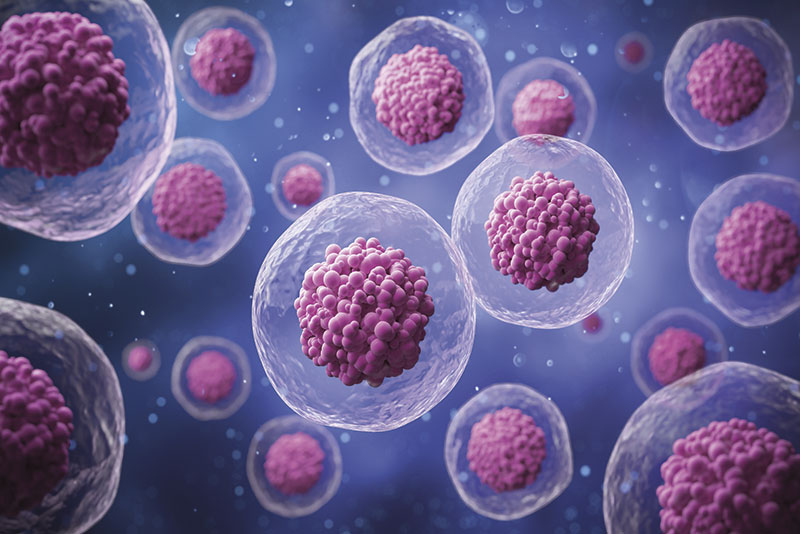
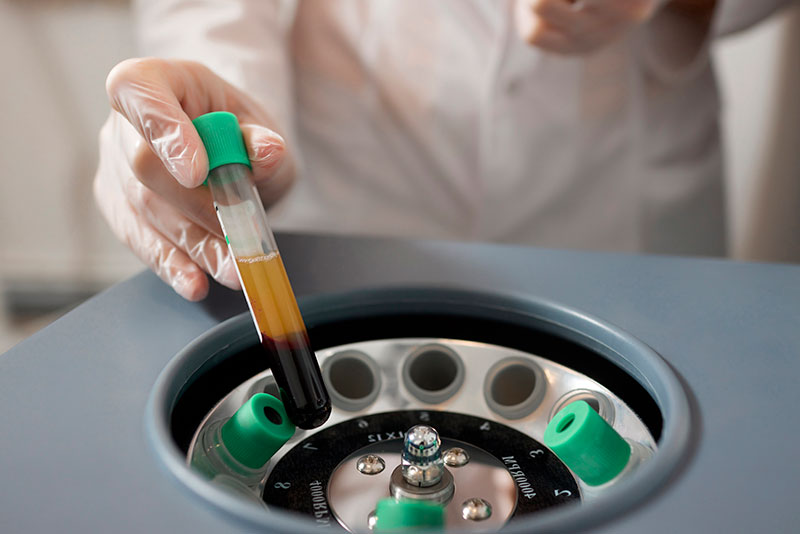
The simplest form is PRP, or platelet-rich plasma. When your blood is drawn, it contains red blood cells, white blood cells, platelets and plasma. During PRP, that blood is placed into a centrifuge, a machine that spins it at high speeds. Because the components have different weights, the spin separates them into layers, allowing platelets to be collected at a higher concentration than normally found in blood.
Those platelets aren’t just clotting cells. They are tiny biological packages carrying dozens of growth factors, including PDGF (platelet-derived growth factor), TGF-β (transforming growth factor beta) and VEGF (vascular endothelial growth factor). These molecules send signals to the body that encourage inflammation resolution, blood vessel formation and the recruitment of the body’s own repair cells.
This is why PRP doesn’t work overnight—the body needs time to respond to the biological signals.
BMAC, or bone marrow aspirate concentrate, is a slightly more advanced version. “Bone marrow aspirate, once taken from the patient, is then immediately run through a special machine and processed to become a concentrate that is very rich in platelets, growth factors and progenitor cells,” Dr. Moncman explains. These progenitor cells can take on the characteristics of the environment in which they are placed.
The idea is simple: areas with poor blood supply (such as ligaments, tendons and cartilage) struggle to heal. PRP and BMAC deliver what those areas lack: biological messengers that signal repair.
Why People Are Asking About This Now
With growing attention on regenerative treatments in Florida, people want to know if these options can help them avoid surgery, reduce chronic pain or return to activities they’ve given up.
Pain specialist Dr. Tom Macek appreciates the new flexibility. “Finally something new to offer to my chronic pain patients,” he says. “For the right indications, regenerative injections work better than traditional treatments and with prolonged benefits.”
He wishes the medical world would move faster. “I believe that regenerative treatments should be first-line treatment whenever possible,” he says.
And he’s not alone. Many patients arrive tired and discouraged after trying physical therapy, bracing, orthotics, cortisone shots or months of rest. This group sees the biggest turnaround.
What Doctors in Fort Lauderdale Are Seeing
Regenerative treatments are not suitable for everything: they don’t fix acute tears, fractures or injuries that require urgent repair. But they can be transformative for long-standing, slow-to-heal issues.
“PRP has become increasingly popular in foot and ankle orthopedics, especially for chronic soft tissue, ligament and tendon injuries that are slow to heal,” says Dr. Mills. He lists plantar fasciitis, chronic Achilles tendinosis and certain ligament sprains among the best candidates.
He also emphasizes precision. “Imaging ensures accurate placement into the target tissues while avoiding nearby vessels and nerves,” he says. Ultrasound guidance significantly increases accuracy, which translates into better results.
Dr. Moncman sees strong improvements when these treatments are used in conjunction with surgery. For cartilage defects in the ankle, “BMAC can be a great addition to surgery,” she explains. She recalls a 34-year-old who couldn’t run or play basketball due to a significant talus lesion. After grafting the cartilage and mixing it with his own BMAC, “Three months later, he was running again and playing basketball.”
Two athletes treated by Dr. Mills (a marathoner and an MMA fighter) experienced dramatic improvement after PRP. One set a personal record in the New York City Marathon. The other returned to international competition.
What Recovery Really Looks Like
If cortisone is a lightning bolt, regenerative medicine is a sunrise. It doesn’t appear instantly; it builds. “Early improvements are usually noted around three to four weeks,” Dr. Mills says, with more meaningful changes between six and 12 months.
Dr. Macek prepares patients for the ups and downs. “After a regenerative injection, there may be a period where things feel worse for the first week or so,” he says. This is normal. The injections stimulate a controlled inflammatory response…the first step in healing.
Pain-management physician Dr. Amin notes that recovery depends not only on the treatment itself, but also on how well patients support their body’s natural healing process.“Overall health matters just as much as the treatment itself. Patients tend to do best when they’re sleeping well, staying active, eating thoughtfully and managing conditions like diabetes or chronic inflammation. Regenerative approaches are designed to work alongside the body’s natural repair processes, so a healthier internal environment may support better responses. Habits such as smoking, poor sleep or prolonged stress can interfere with the body’s ability to recover,” Dr. Amin says.
“I also emphasize appropriate movement, because tissues often respond better when they’re supported with guided activity. Regenerative treatments may help support the body’s own healing response, but outcomes are most influenced by how patients care for themselves outside the clinic.”
Dr. Macek also avoids cookie-cutter treatment plans. “We all respond differently,” he says, “so I do not agree with a set of three injections for everybody.”
Where Florida’s Law Fits Into All This
Florida’s updated regulations address how certain stem cell and tissue-based treatments are provided, while existing rules continue to guide the use of a patient’s own tissues.
But nothing in the law changes the science. “Despite these injections being very mainstream procedures, there is little FDA approval,” Dr. Moncman says. She urges every patient to understand that before moving forward.
Dr. Macek believes the field is moving in the right direction. “With time and more access to information and education, regenerative treatments will be the way of the future,” he says. He also predicts that insurance coverage will eventually catch up once the long-term cost savings become evident.
What This Means for Fort Lauderdale Patients
Regenerative medicine is not a miracle cure. It is not a shortcut. It won’t turn back time or restore a collapsed joint.
But when matched to the right condition (chronic tendon injuries, degenerative tissue problems, cartilage defects and certain types of arthritis), it can help people function better and recover movement they thought was lost.
Looking ahead, Dr. Amin believes regenerative pain care will continue moving toward more individualized treatment strategies. “I’m optimistic about how personalized regenerative care is becoming,” he says. “We’re moving away from one-size-fits-all approaches and focusing more on selecting therapies based on a patient’s specific condition, imaging findings and overall health.”
Imaging and diagnostic advances also help doctors better detect tissue stress and degeneration. When used correctly, Dr. Amin says these regenerative treatments can support the body’s natural response.
“There’s also a growing emphasis on combining these treatments with physical therapy, strength training and lifestyle optimization,” he says. “This comprehensive approach focuses on improving function and quality of life, not just symptoms.” Most importantly, it lets people tap into something they already have: their own biology.
Florida’s updated rules have expanded access, but the real value lies in understanding what these treatments actually do and how they work. With clear expectations, accurate diagnosis and skilled physicians, regenerative medicine is becoming a meaningful part of orthopedic and pain care in Fort Lauderdale…not hype, not fantasy, but a steadily growing option grounded in science.


