

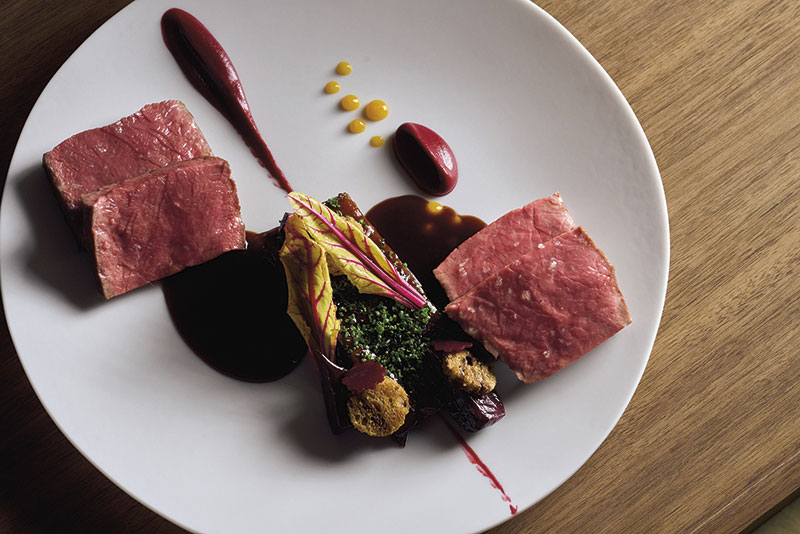
A century ago, two brothers named Michelin set out to boost tire sales, creating a little red guide filled with handy travel tips and dining recommendations. Little did they know their humble guide would become the world’s ultimate dining accolade. Fast-forward to 2025, and that iconic guide has finally cast its discerning gaze toward Fort Lauderdale, marking the city’s bold arrival on the global culinary stage.
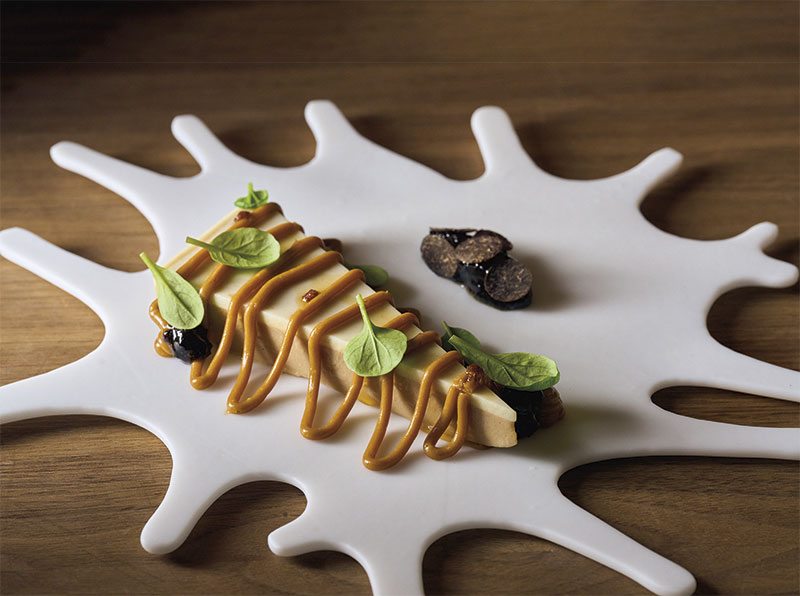
At the forefront of this is MAASS, situated within the elegant Four Seasons Fort Lauderdale. Securing the city’s first-ever MICHELIN star, MAASS offers a culinary experience more akin to an intimate performance than a traditional meal. Chef Ryan Ratino, celebrated for his acclaimed restaurants in Washington, D.C., alongside executive chef David Brito, crafts menus that artfully fuse French technique, Japanese ingredients and local Floridian flair. Diners savor dishes such as diver scallops over truffle purée, sophisticated renditions of chicken noodle soup finished tableside and koshihikari rice cooked in traditional donabe pots, crowned with an airy Comté foam. Every bite feels like an orchestrated act, culminating in whimsical desserts like kakigori topped with candied nuts and raspberries, leaving diners marveling at the blend of innovation and refinement.
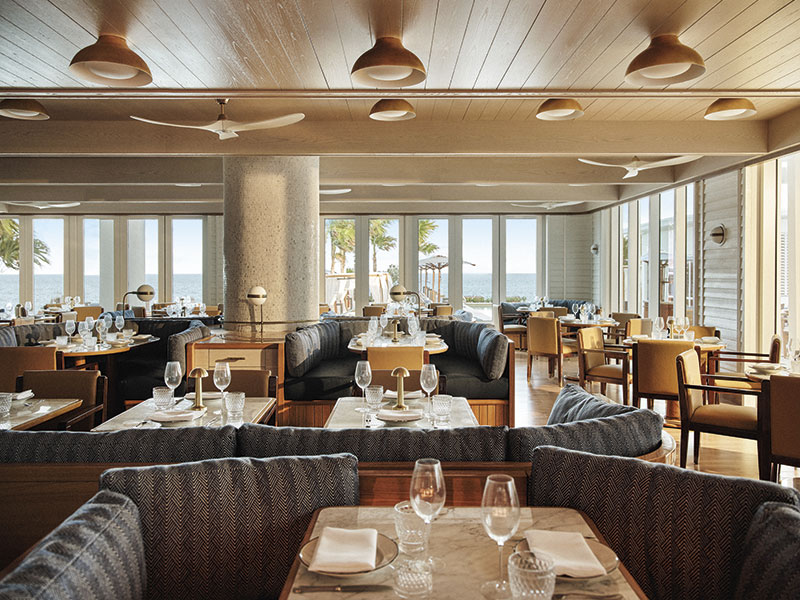
Just steps away, Evelyn’s captures Fort Lauderdale’s coastal charm with an Eastern Mediterranean twist, under the skilled guidance of chef Brandon Salomon, recently named Best Chef in this issue’s Best of Fort Lauderdale 2025. Evelyn’s MICHELIN recommendation underscores its combination of Mediterranean warmth and Florida elegance. Chef Salomon has masterfully woven together fresh local seafood, spices from North Africa and Middle Eastern flavors. Diners are transported to a breezy coastal retreat with dishes like citrus-infused grilled halloumi, seafood tagines and fragrant house-made flatbreads. Salomon describes the MICHELIN nod as “deeply meaningful and incredibly rewarding,” capturing the passion and precision his team pours into every plate. Evelyn’s doesn’t merely serve meals — it offers moments of Mediterranean escape, set against the Atlantic Ocean.
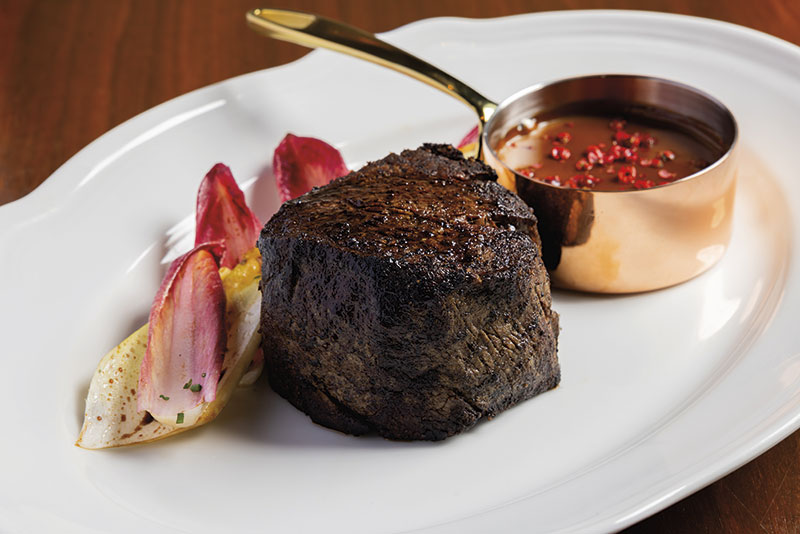
A short drive away, Daniel’s, A Florida Steakhouse, celebrates its distinctive local touch. Opened in late 2024, Daniel’s quickly gained acclaim and is now a MICHELIN-recommended establishment. Gioia Hospitality Group, led by founder Thomas Angelo and his daughter Kassidy, set out to honor Florida’s rich culinary heritage through locally sourced ingredients like Skipper Sweet oysters, hog snapper from the Keys and prime steaks sourced from ranches in North Florida. Culinary director Daniel Ganem and executive chef Dayam Lopez deliver dishes that pay homage to the region’s terroir, from a perfectly executed Florida Rockefeller with Tiny Farms watercress to their iconic homemade Key lime pie. Each meal here feels simultaneously refined yet familiar, served amidst artwork celebrating Florida cowboys and historic Fort Lauderdale imagery.
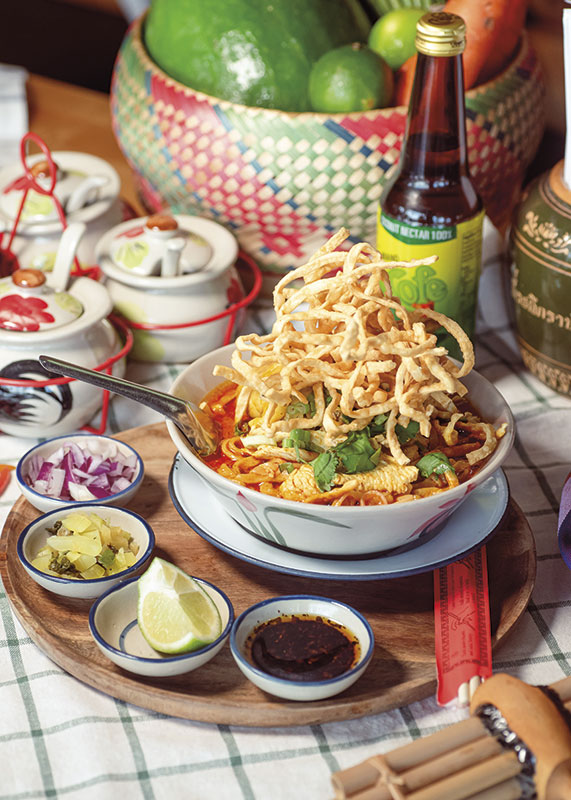
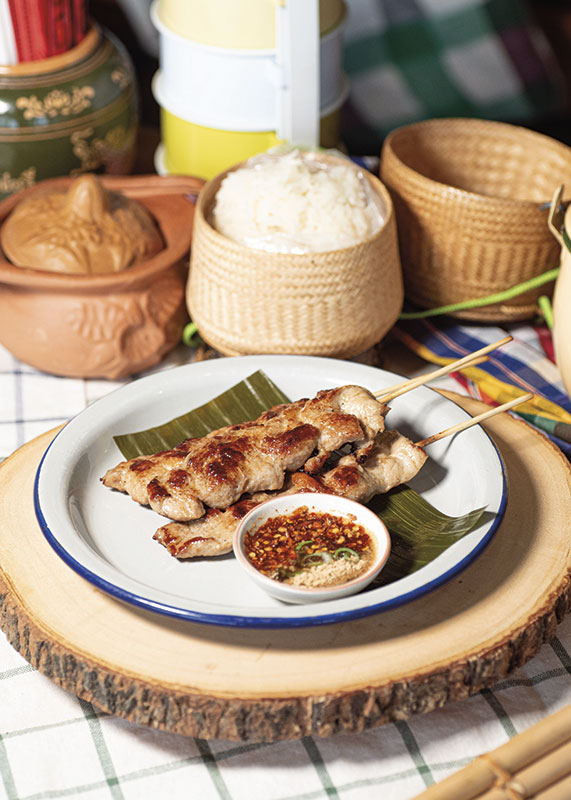
Meanwhile, Larb Thai-Isan brings the robust flavors of northeastern Thailand — known as Isan — to Fort Lauderdale’s increasingly diverse culinary landscape. Chef Thanik Suksamran offers intensely flavored, deeply authentic dishes inspired by family recipes handed down through generations. Aromatic curries, tangy papaya salads and grilled meats infused with lemongrass and roasted rice powder transport diners straight to Thailand’s bustling street markets. MICHELIN inspectors applauded the restaurant’s unwavering commitment to authenticity, highlighting how Suksamran’s food tells a story that respects tradition and refuses compromise. With its simple décor and unpretentious charm, Larb Thai-Isan stands proudly as proof that Fort Lauderdale’s culinary credentials extend far beyond the familiar.
With these remarkable restaurants leading the charge, Fort Lauderdale is firmly establishing itself as a vibrant culinary hub that deserves global attention. Each MICHELIN nod represents not only recognition, but also a powerful validation of the creativity, passion and storytelling these chefs bring to their tables — and a promise that the city’s dining landscape has forever changed for the better.
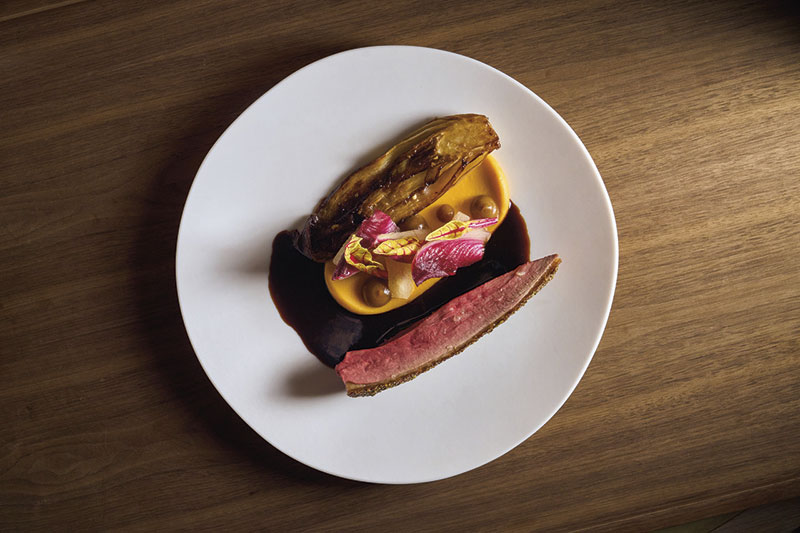
The Dish: 21-Day Dry-Aged Rohan Duck by MAASS
At MAASS, their signature duck is whole Rohan duck from Hudson Valley, New York, prized for its richness and depth of flavor. The preparation is painstaking, the technique precise — but the result is worth it.
The Aging Process
They start by dry-aging the duck for 21 days. This intensifies its flavor and transforms the skin into something truly special — crisp, golden and almost lacquered when properly roasted. Aging also helps remove excess moisture, which is crucial for achieving that perfect crackle.
Seasoning and Technique
Before the duck hits the heat, they puncture the skin to encourage the fat to render and baste the duck as it cooks. The bird is then seasoned generously on the skin side only with:
- Honey, to caramelize and enhance color
- Fennel seed
- Pink peppercorn
- Coriander seed
Cooking Over Open Flame
They cook the duck exclusively over an open hearth, a hallmark of MAASS’s approach to flame-driven flavor. It is pan-seared crown-side down over high heat for about five minutes, rendering the fat and toasting the seasoning. Then it is transferred to the hearth’s roasting rack for another eight minutes to finish cooking. Depending on ambient humidity levels in the restaurant, this process may be repeated two to four times to achieve proper and even fat rendering, typically taking over an hour to finish the dish.
Once roasted, the duck rests back in the hearth, not over direct heat, but in its ambient warmth, soaking in wood-fired aromatics and sealing in the juices.
Beet Puree
Ingredients:
- 1500g beets, peeled and mandolin-sliced
- 200g shallots
- 150g white wine
- 2L beet juice
- 45g red wine vinegar
- 22g salt
- 1% ultra-tex 3
Method:
1. In a medium-sized rondeau, sweat the beets with a touch of salt to soften. Add shallots and sweat. Once translucent and aromatic, deglaze with white wine and reduce to au sec.
2. Add beet juice and cook until the beets are fully cooked and the liquid is reduced by 95%.
3. Strain and puree while slowly streaming the cuisson and shearing in ultra-tex until smooth and thick (if too thick, add a touch of water).
4. Season with salt and red wine vinegar. Leave the cuisson on the side.
5. Measure the weight of the beets to 1% ultra-tex. Add to a blender.
Citrus Marmalade
Ingredients:
- 15 ea orange peel
- 15 ea lemon peel
- 1000g orange juice
- 700g lemon juice
- 20g salt
- 400g sugar
- 75g glucose
- Bundle of thyme
- 1% ultra-tex
- Tt water
- 25g sugar
- 25g lemon juice
Shio Grapes
Ingredients:
- 750g/ea red grapes/green grapes
- 150g shio
- 15g salt
- White verjus
Method:
1. Measure and separate grapes by color.
2. Toss separately in bowls with shio, salt and a touch of canola oil.
3. On a hearth with super-hot embers, quickly char and get smoke on the grapes, working fast so as not to overcook. Work in batches if needed.
4. Once charred in, separate.
Rhubarb Liquid
Ingredients:
- 1500g sugar
- 300g red wine vinegar
- 750g red wine
Method:
1. Make a dry caramel. Once dark and ambered, deglaze with red wine vinegar. Once the mixture is up to temperature, add in red wine and reduce to syrup consistency.
2. Add the shio grapes.
Rhubarb Portion
Ingredients:
- 8ea rhubarb portion, cleaned
- 200g rhubarb liquid
- 15g salt
Method:
Make a dry caramel. Once dark and ambered, deglaze with red wine vinegar. Once the mixture is up to temperature, add in red wine and reduce to syrup consistency.
Jus Gras
Ingredients:
- 2000g chicken stock
- 2000g demi glace
- 975g seared foie gras
- 200g butter
- Tt salt
- Tt sherry
Method:
1. In a large rondeau, reduce your chicken stock by 80%.
2. Add in your demi and bring back up to a simmer.
3. Reduce by a third once again.
4. Transfer sauce into a cold bain-marie.
5. Sear your foie (deep dark color) and quickly mix into the sauce with a hand blender.
6. Once all foie is incorporated, mix in the butter.
7. Season with sherry and salt to taste. Pass through a chinois to ice down to serve.


